#5
The Perfect Bread for Midlife Women
Protein Sparing Bread - Recipe 1.0
More than just a recipe!
Protein-Sparing Bread is a flourless, high-protein bread made mainly from egg whites and is one of the easiest options for women during midlife and menopause, when getting enough protein is non-negotiable.
Just three slices give you around 27 g of protein, close to the 25-30 g per meal that research suggests for maintaining muscle mass.
Below, you will find the science behind it, the full recipe and the key baking tips.
Disclosure: This post contains affiliate links. If you choose to buy through one of them, I may earn a small commission at no extra cost to you. Sometimes you'll receive a little discount too. Win-win. As an Amazon Associate I earn from qualifying purchases. I only recommend products I genuinely use and trust, and would happily share with my friends and family.
As a midlife woman, do you also struggle to find a bread that truly supports your body
Instead of working against it?
A protein-sparing loaf may be exactly the solution you are looking for.
Some people simply call it egg white bread.
Although I love immersing myself in research, I too spent a long time searching for a bread that not only tasted good but genuinely supported our bodies through hormonal changes, without having to worry about extra weight as well.
I used to believe that bread and mindful eating could not sit at the same table.
Then, a few years ago, I discovered these quick and easy, high-protein egg white loaves, and they have been my ideal bread ever since.
You may find the same, especially if you also want to eat in a way that is aligned with your body's changing needs.
I named the basic loaf Protein-Sparing Bread 1.0 because every other variation starts with this one.
No flour. No yeast. No kneading.
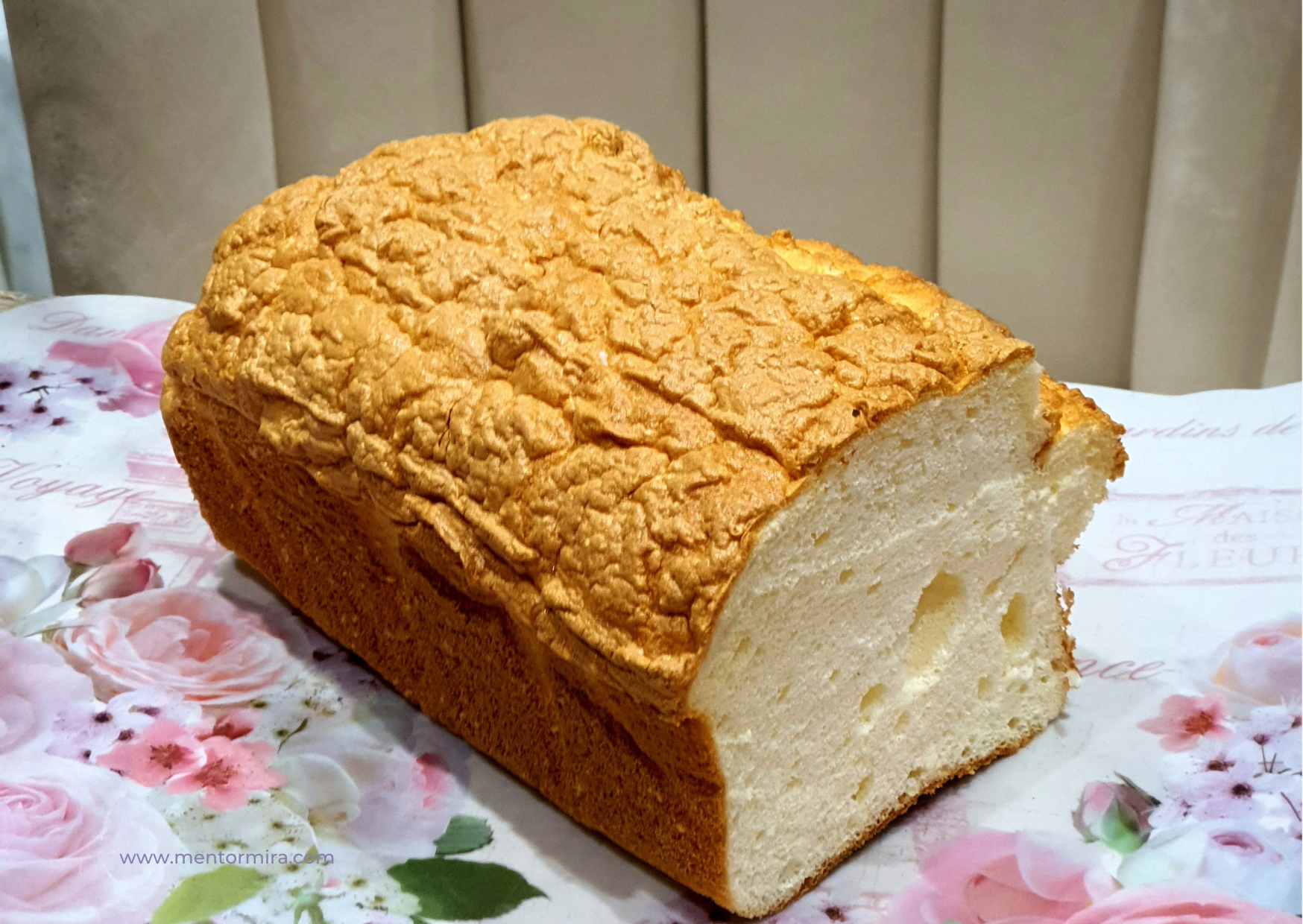
Just a few egg whites whipped to stiff peaks, egg white protein powder and a pinch of salt. It looks like traditional bread, slices beautifully and toasts well.
With butter or homemade mayonnaise and slices of boiled egg, the very first slice may be enough to convince you.
Read on to discover why it works so well after 40, how to make it, and how to avoid the mistakes beginners most often make.
Midlife is not about shrinking. With every nutrient-dense bite,
you're choosing your health and longevity.
Reinventing midlife can start with something as simple as changing what you put on your plate.
Why This Protein-Sparing Bread Recipe Works for Midlife Women
If ever there were a time to stop treating healthy eating as a punishment or a burden, it is during midlife.
We should see it for what it really is: the most respectful and loving way we can care for our bodies.
After all, nutrient-dense eating is one of the simplest and most important foundations of long-term health and wellbeing.
Of course, that does not mean we cannot sometimes eat something that nourishes the soul rather than the cells.
During midlife, we notice not only that our bodies are changing, but also that they no longer work in quite the same way they did ten or twenty years ago.
Alongside hormonal changes, the way your body uses energy also gradually changes.

Are you eating the same amount as before, yet your body responds differently?
You're not imagining it.
Let's look at what is actually happening.
Why Muscle Loss Accelerates After 40
After the age of 40, the body becomes increasingly less efficient at building and maintaining muscle mass.
Sarcopenia, the gradual loss of muscle associated with ageing, typically begins around this age and continues at around 0.5 to 1% per year.
Muscle, however, is not merely an anatomical term, nor is it important only because of how you look.
It allows you to carry your shopping bags, lift your grandchild, go walking, travel, and feel more energetic and stronger in everyday life.
Your muscles are your body's metabolic engine. They also protect your bones, which is particularly important at this stage of life, as it can help reduce the risk of fractures.
As well as contributing to the maintenance of bone density, muscle may help regulate blood sugar levels, and it may also support hormonal balance.
Building muscle is one of the best investments you can make in your longevity. Our muscles really are lifesavers!
That is why protein intake during midlife and the menopausal years is non-negotiable.

Why Protein Requirements Increase During Midlife
For a long time, I believed that a higher protein intake was mainly important for bodybuilders and athletes.
It was during a fitness trainer course that I first came across the idea that after age 40 – and especially during menopause – we need to pay much closer attention to our protein intake.
That is because the body gradually loses muscle mass during this stage of life, while the muscles also become less efficient at building new protein.
I must admit, I was surprised when I first learned this. After all, until we are personally affected, most of us never think to look into things like this.
And, in my experience, still very few women are aware of it, because unfortunately it is one of those important things that we are simply never taught at school.
Science Snapshot
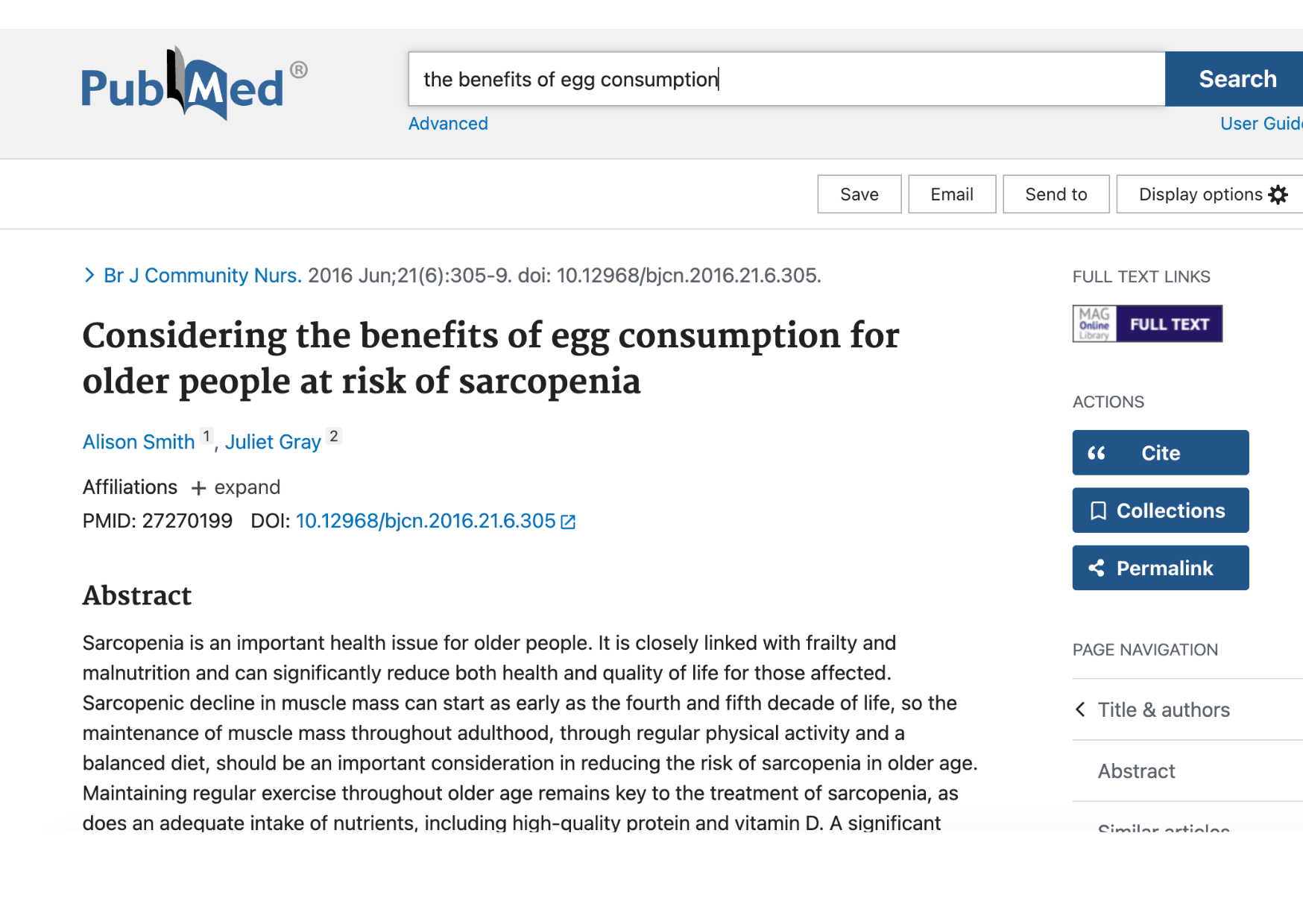
Research on protein requirements in older adults suggests around 25–30 grams of protein per meal to help maintain muscle mass.
Protein Requirements and Recommendations for Older People
Three slices of this egg white bread provide approximately 27 grams of protein
In other words, you've practically ticked off
your muscle-supporting protein target for one meal.
Traditional bread, however, works against these goals.
It is high in calories but low in protein. The carbohydrates cause your blood sugar to rise quickly, only for you to feel hungry again an hour later.
On top of that, many shop-bought breads contain ultra-processed ingredients and additives, and some people simply feel better when they reduce their gluten intake.
Why Is a Low-Carb Bread So Important at This Stage of Life?
Every slice is almost pure protein, with barely 0.5 grams of carbohydrate.
In other words, your body gets exactly what it needs most right now:
fewer calories and more protein.
That means you can even eat more of it than traditional bread, without the blood sugar rollercoaster or the post-meal crash.
Could there be greater joy during menopause?
Keep in mind:
Your body is not your enemy during midlife, but your partner.
The better you understand what it needs, the better it will reward you.
Protein-Sparing Bread Variations
One Base Recipe, Countless Possibilities
Since Protein-Sparing Bread became one of the foundations of metabolic nutrition, numerous variations have appeared across the keto, carnivore and PSMF communities.
I first discovered egg white breads thanks, in part, to the pioneering work of Maria Emmerich.
My heartfelt thanks also go to her and to all the other egg white bread queens.
I've tried quite a few recipes, discovered which ones I like best, and learned which versions work best for different purposes.
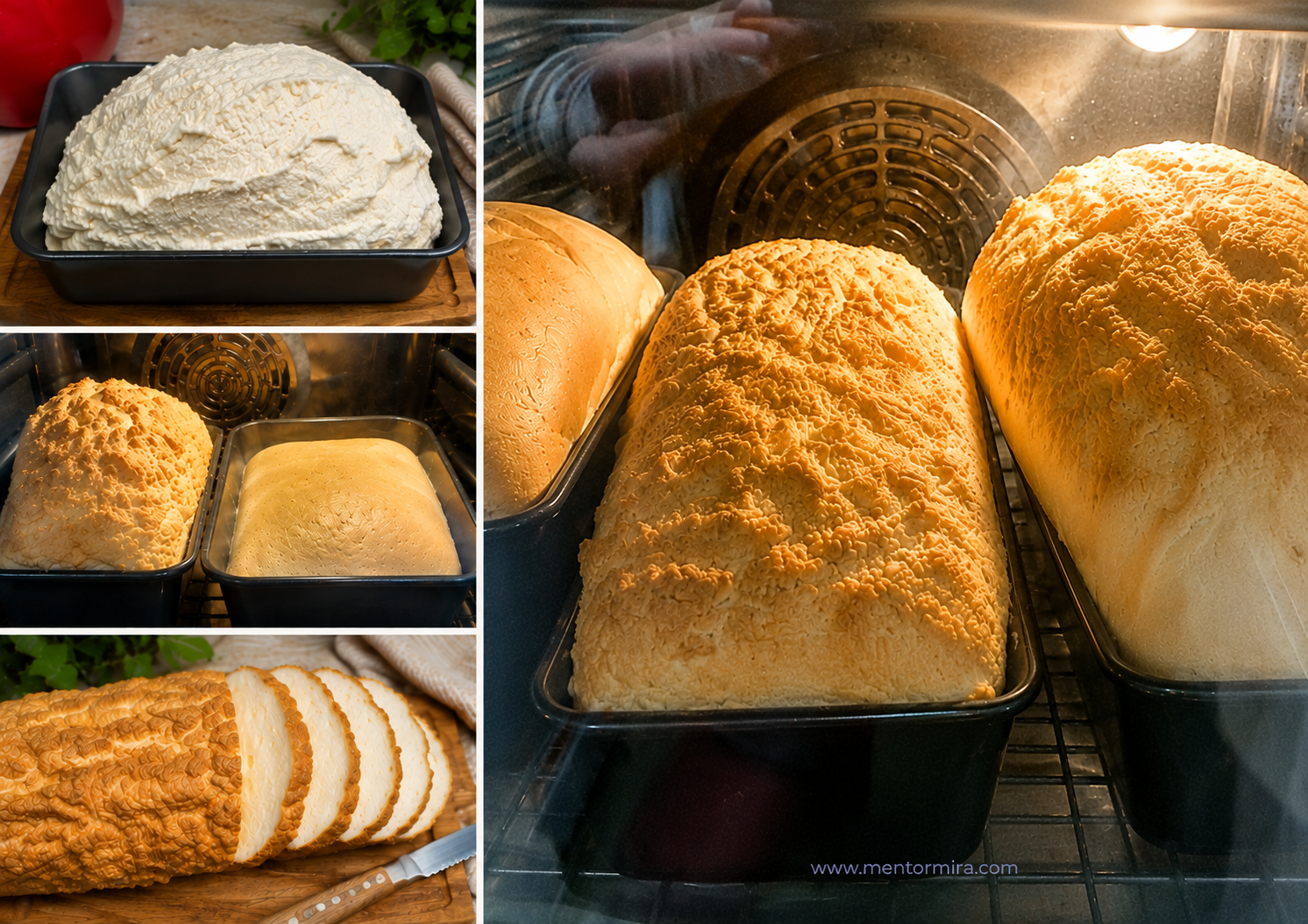
At first, I found all these very similar variations rather confusing. That's why I started giving them version numbers for my own reference.
I never expected bread baking to become such a regular part of my weekly routine.
So, let's start with the simplest one!
Protein Sparing Bread Recipe
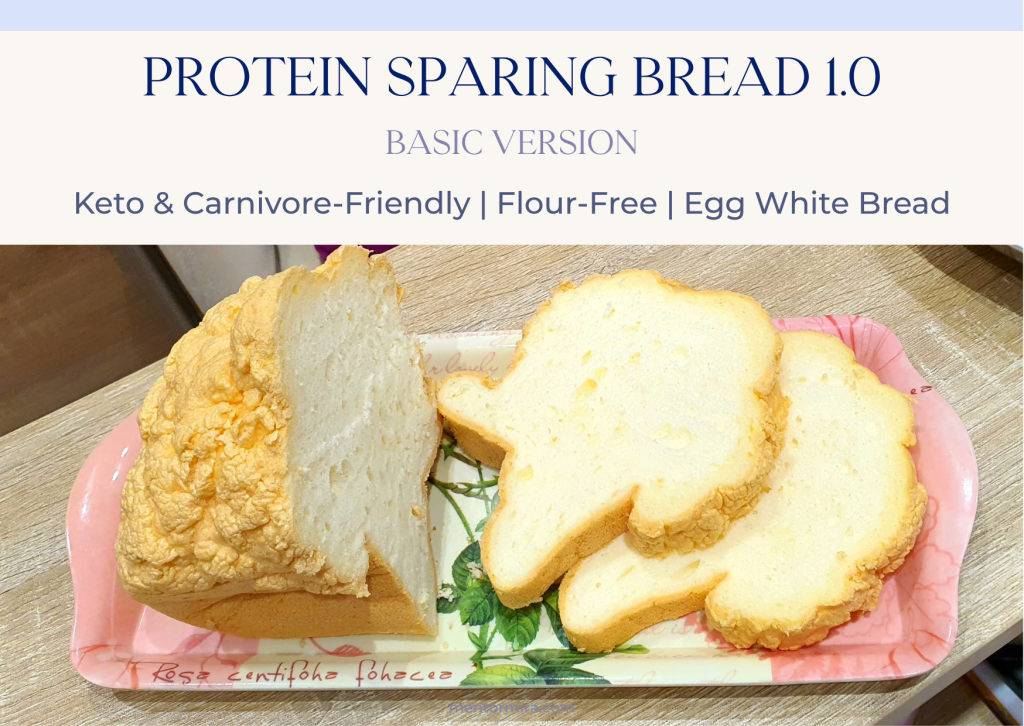
Protein Sparing Bread 1.0 | The Basic Version

Equipment
- Stand mixer or electric hand mixer
- Baking paper
- Loaf tin
Ingredients
- 12 fresh large egg whites
- 1 cup egg white protein powder (about 120 g)
- 1/2 tsp Himalayan salt
- 1/2 tsp cream of tartar (optional, helps stabilise the egg whites)
- 2-3 egg yolks (optional, for a smoother, richer texture)
- baking paper to line the tin (or avocado or coconut oil spray)
Instructions
- Preheat the oven to 165°C (325°F). Line your loaf tin with baking paper or lightly spray it with avocado or coconut oil.
- Separate the eggs. Place the egg whites into a bowl that is completely clean and dry. Even a tiny bit of fat or egg yolk can stop them whipping properly.
- Add the salt and, if using, the cream of tartar.
- Whip the egg whites until they're glossy and hold stiff peaks. They should stay in place when you tilt the bowl. Under-whipped whites make a dense, eggy loaf, while over-whipped ones can leave it dry and crumbly. This is the only step that takes a little practice, but it gets easier every time.
- Turn the mixer down to its lowest speed and add the egg white protein powder. Mix only until it's completely blended in, and there are no lumps left.
- If you're using the egg yolks, gently fold them in.
- Spoon the mixture into the prepared loaf tin and smooth the top.
- Bake for 30-35 minutes, until the top is lightly golden.
- Turn the oven off and leave the loaf inside for another 15 minutes, with the door slightly ajar. This helps prevent it from collapsing.
- Remove the loaf from the oven and let it cool completely before slicing, or it won't hold together properly.
Notes
- Everything comes down to the egg whites. Whip them until they're stiff and glossy, but stop before they turn dry or grainy. That balance gets easier after a loaf or two.
- Fresh eggs work best. I've tested carton egg whites too, but they don't whip into such stiff peaks, and the loaf comes out denser and much less light and airy.
- Keep water completely away from the mixture. Not a single drop, and no other liquid either. This is the one thing that will ruin the loaf.
- Egg white protein powders vary a lot between brands, so always check the ingredient list. It has to be 100% egg white powder, with nothing else added. If your loaf keeps collapsing, try a different brand, or add one more egg white next time.
- If your kitchen is warm and humid, the loaf may stay softer rather than go crisp on top. That's completely normal, and it doesn't spoil anything.
- Don't skip the 15 minutes in the switched-off oven. That's what stops the sides sinking in as it cools.
- If you're using a fan-assisted oven or an air fryer, you may need to experiment a little. Some need a slightly higher temperature for best results.
- You can also shape the mixture into small rolls, or spread it into a pizza base.
- Both need less time in the oven, so start checking them after about 20 minutes, depending on how thick you've made them.
What I Use to Make This Bread
You don't need a fancy kitchen for this bread, but a few good tools make it so much easier.
- A stand mixer: whipping the egg whites to really stiff peaks is the key step, and a stand mixer does the hard work for you. This is the Klarstein stand mixer I recommend.
- Measuring cups and spoons: the recipe uses American cup measurements, and that's how I measure too, so a set of measuring cups and spoons keeps things simple.
- A silicone spatula: I use one to gently move the whipped egg whites into the tin and to scrape the bowl clean. This set of three is a handy one to have.
- A loaf tin: pick the shape you prefer. This larger 3lb tin (about 29 x 14 cm) gives you a longer, lower loaf, while this smaller 2lb tin with deeper sides gives a shorter, taller one.
- A pinch of salt: You only need a little for this recipe. I like this Himalayan pink salt, but any salt you already have at home will work just fine.
How to Store and Enjoy Protein-Sparing Bread
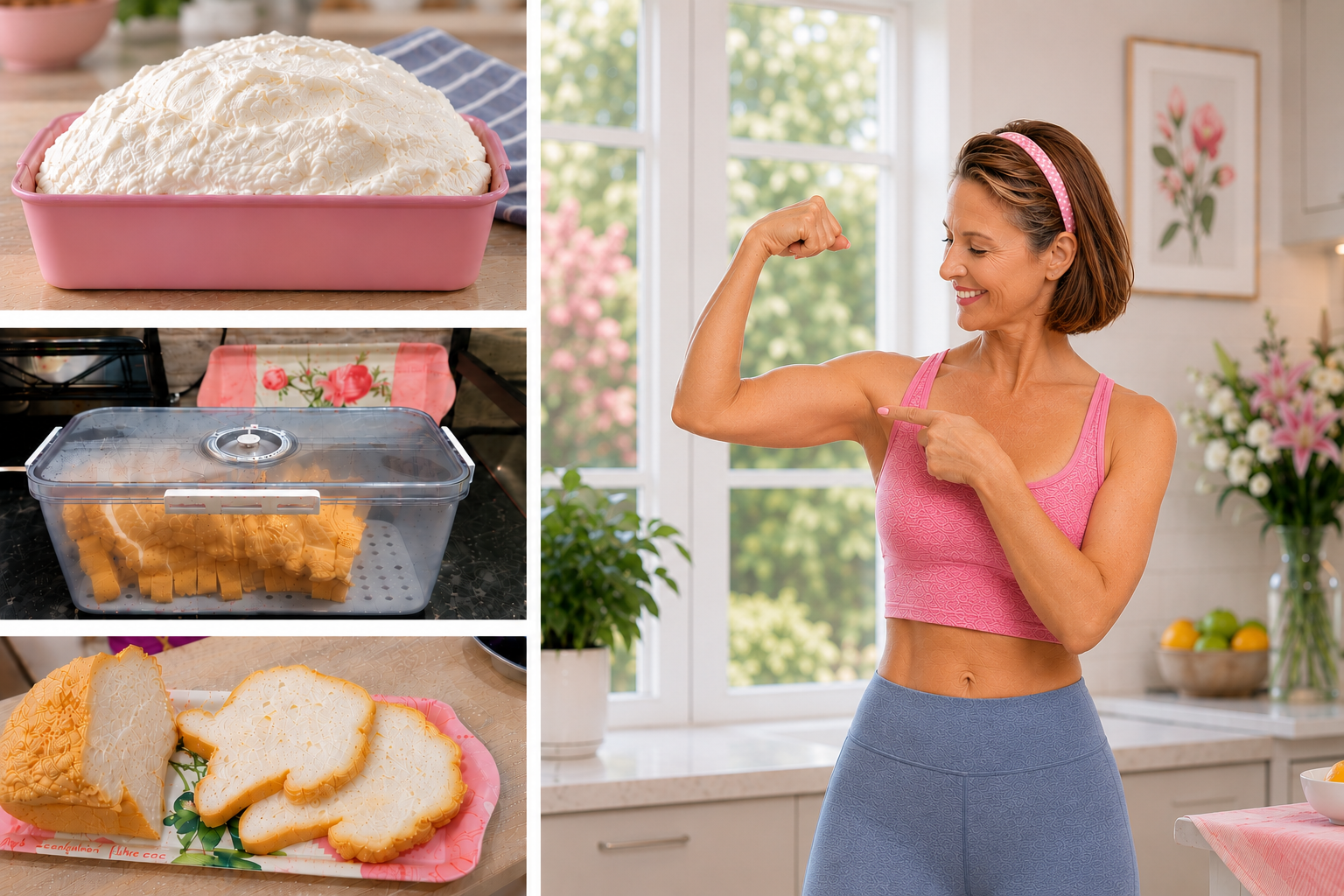
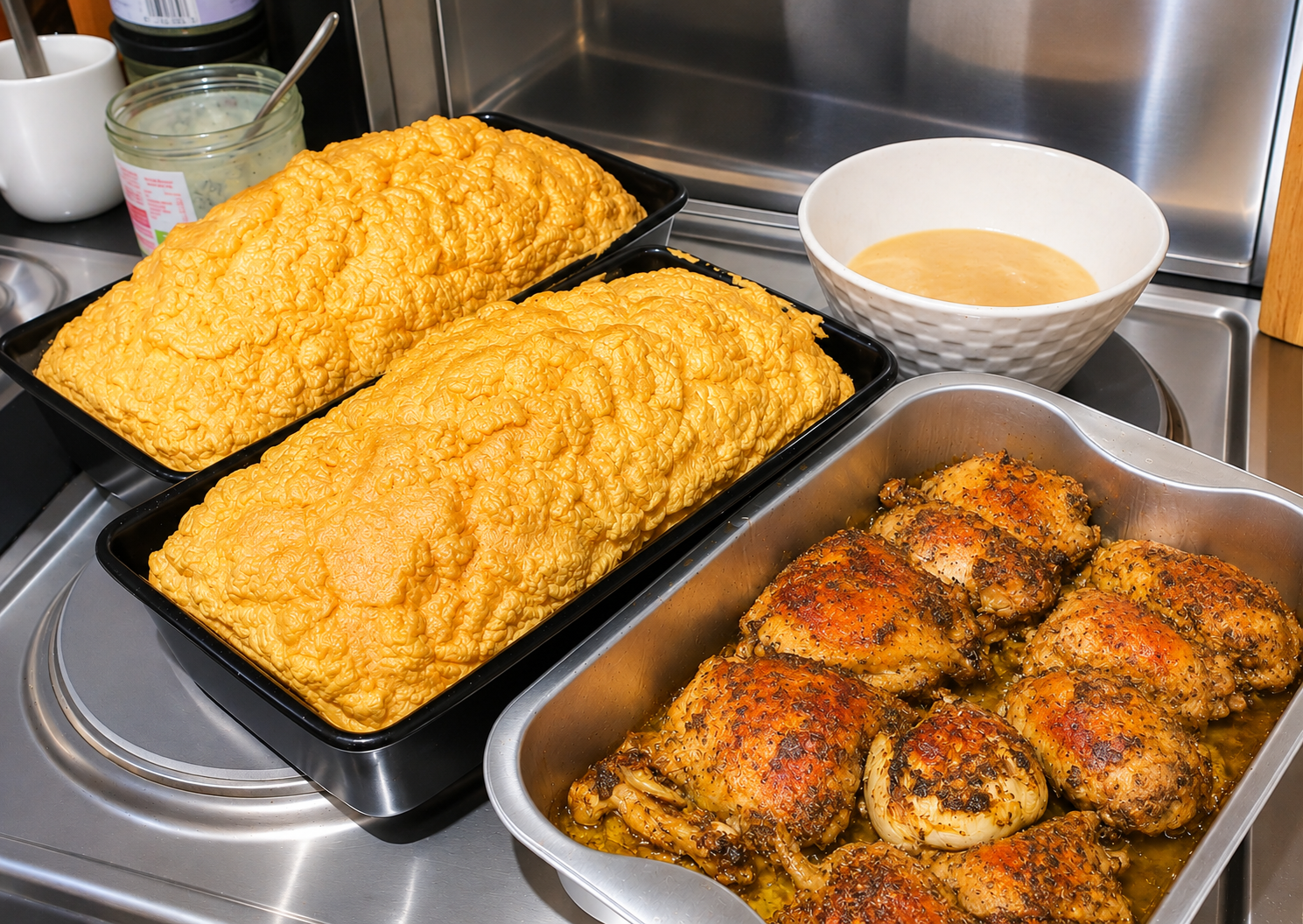
This bread will keep for up to five days in the fridge when stored in an airtight container.
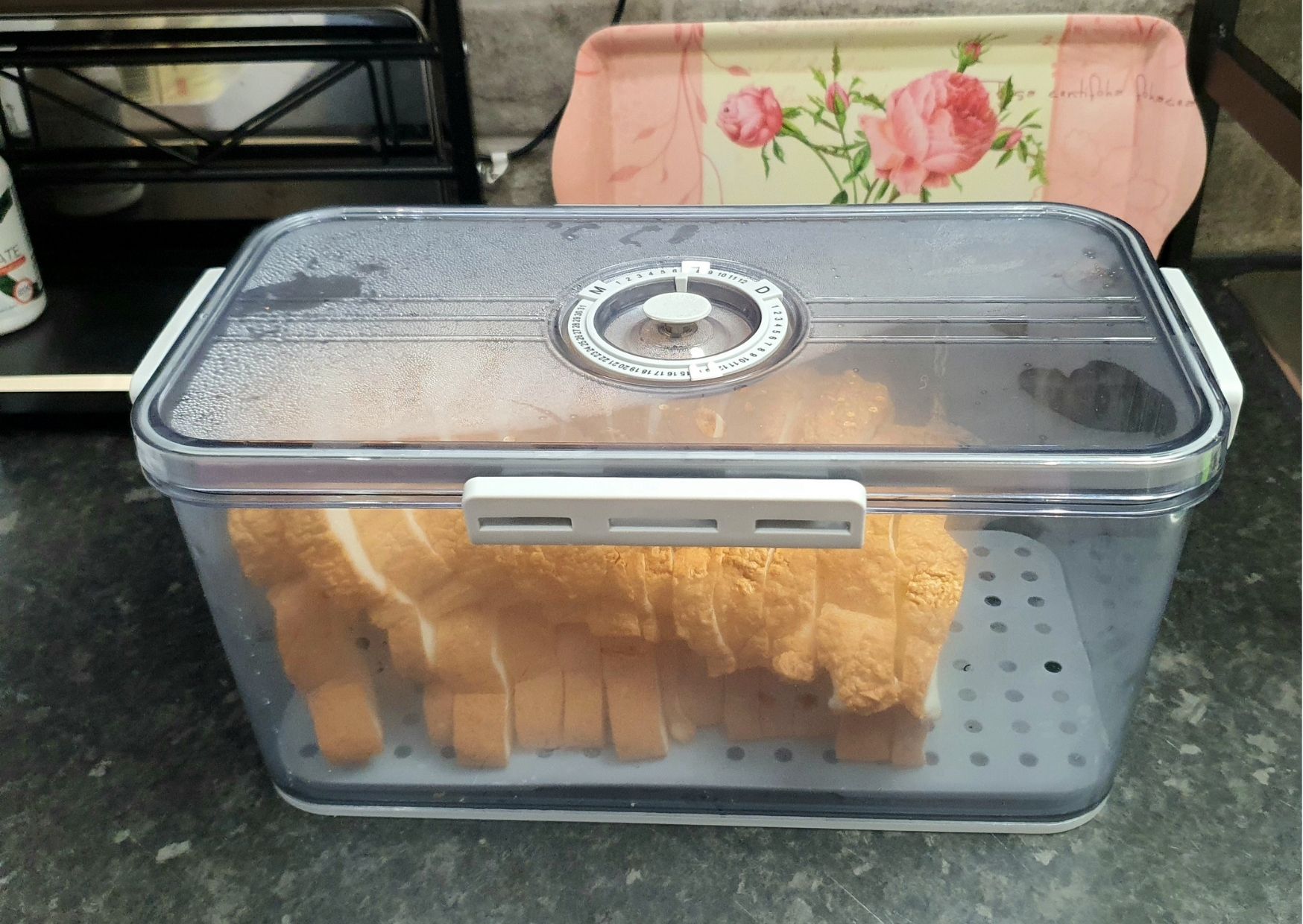
For longer storage, slice the loaf first and freeze the slices with baking paper between them. As soon as you take one out, it can go straight into the toaster.
Personally, I'm not the biggest fan of this bread as toast, but plenty of people love it. I'll leave that one up to you.
Protein-Sparing Bread Is Only the Beginning
You can even use this basic recipe to make a pizza crust base.
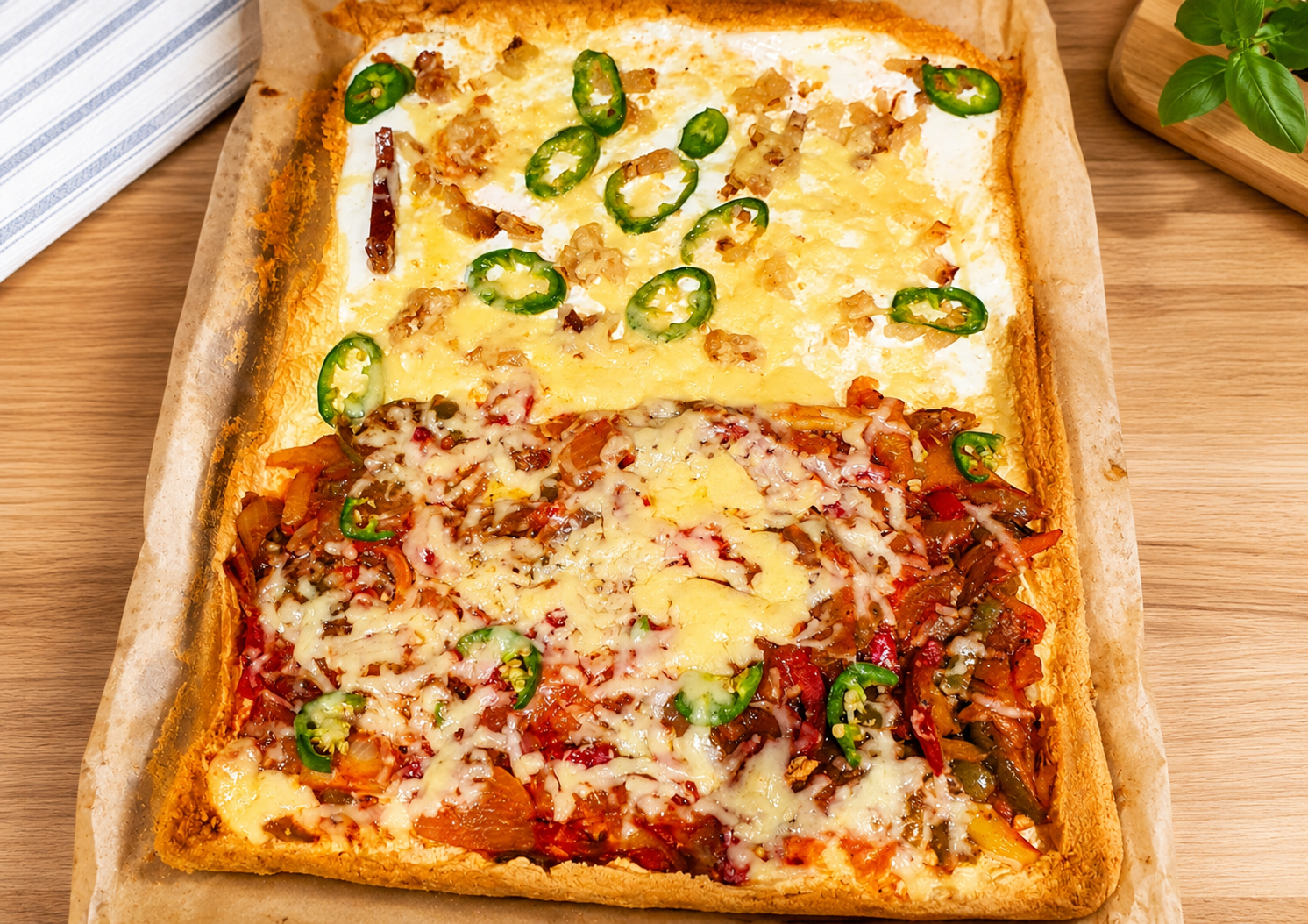
As I mentioned earlier, Protein-Sparing Bread 1.0 is the foundation recipe and the version that is ideal for pure protein fasting days.
My personal favourite, however, is a different variation because it's the most versatile one. It works equally well as bread and as a dessert base.
If you're interested, I'd be happy to share that version with you in the future.
My Favourite Ways to Enjoy It
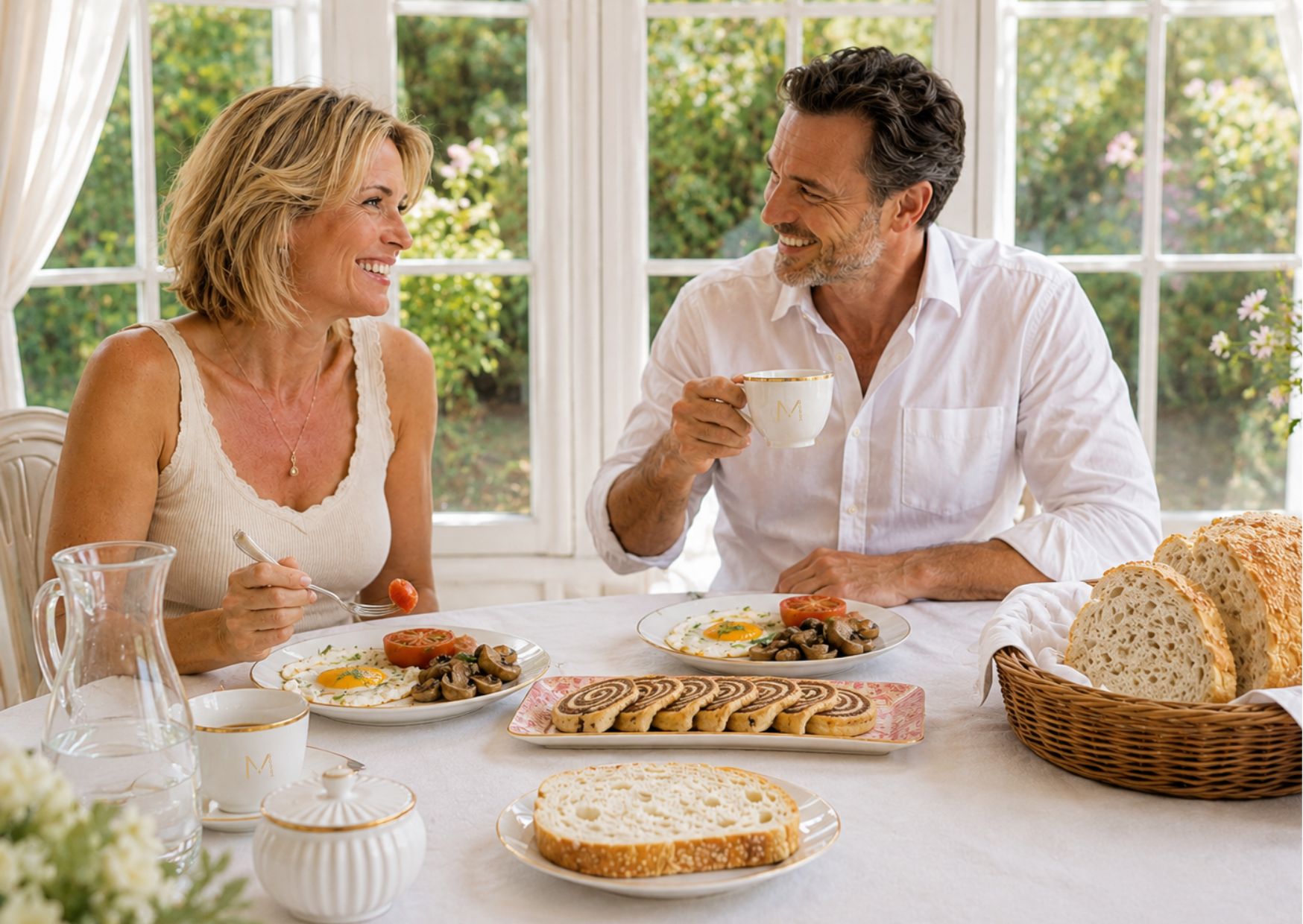
- As savoury or sweet French toast... alongside my morning Nootropics Coffee
- As the base for sandwiches
- Topped with eggs
- With homemade liver paté or meat spread
- Alongside rich stews or juicy meat dishes
- As the base for a hot tuna melt
- With sugar-free jam
Note: The basic 1.0 version is slightly drier than the richer variations, so it is at its best with creamy toppings or served alongside juicy dishes.
Breakfast as a Ritual
Every morning, you're choosing not only what to eat, but also the mindset with which you begin your day.
A healthy protein bread can become one of those small but meaningful morning rituals of conscious living.
Afterwards, you can step into your day knowing you've already taken one tiny but important step towards better health.
Your kitchen. Your midlife. Your rules.
Remember?
The one non-negotiable is protein.
One of the most important rules of eating well during midlife is to nourish your muscles according to what your body truly needs.
Mentor Mira Moment
From My Second Spring
It's funny, really. I've been making this bread for years, yet it was only this week that I managed to get it slightly wrong.
After days of hot weather, I honestly had no desire to switch the oven on, and I suspect my attention had gone on holiday too. Before I realised what I'd done, the egg yolk had landed in the whipped egg whites far too early. The result? A flatter, denser loaf that was far less light and airy.
It certainly didn't end up in the bin. It still tasted delicious; we ate every last bit of it, and I even turned some of it into a poppy-seed and lemon-cream dessert.
That made me smile because it reminded me of something.
During midlife, we so often believe that if something isn't perfect, it somehow isn't good enough.
Yet life, and sometimes even a loaf of bread, teaches us something entirely different. It doesn't have to be perfect to be valuable.
Now It's Your Turn
If you decide to bake your first Protein-Sparing Bread loaf, I'd love you to share your experience in our Midlife Mastery Facebook Group.
And don't be discouraged if your first loaf isn't perfect either. Mine certainly wasn't.
Sometimes the sides sink in a little, leaving the slices looking rather mushroom-shaped. Believe me, though, they're just as delicious.
If you'd like to explore midlife nutrition, gut health, mindset, or other midlife-specific topics in greater depth, I also invite you to explore the Ultimate Midlife Guide.
Protein-Sparing Bread FAQ: Your Questions Answered
Why did my Protein-Sparing Bread collapse?
Most often, it's because the egg whites weren't whipped to stiff enough peaks. Even a tiny drop of egg yolk, a trace of grease in the bowl, or slicing the loaf too soon can also cause it to collapse.
Why does my bread stick to the loaf tin?
You can lightly spray the tin with oil, but the easiest solution is to line it with baking paper. That way, the loaf comes out easily every time.
Is egg white powder the same as egg white protein powder?
Essentially, yes. Both are made from dried egg whites. You may also find it sold under different names, sometimes even as meringue powder.
Always check the label and choose pure dried egg whites without fillers, sweeteners or flavourings, with a protein content of at least 80%.
My personal tip: after testing a few brands, this egg white powder is the one I use for my own loaves. I had disappointing results with two others, so this is the only one I recommend.
Can I use egg whites from cartons instead of fresh eggs?
I don't recommend it. Carton egg whites are pasteurised, so they don't whip into the same stiff peaks as fresh egg whites. For this bread, fresh eggs are by far the better choice.
The yolks, meanwhile, can be used for homemade mayonnaise, spreads, pudding, or soups.
How much protein does a woman over 50 really need?
More than most of us were ever taught – if we were taught at all.
Research suggests around 1.2–1.6 grams of protein per kilogram of body weight per day, with approximately 25–30 grams per meal.
For a woman weighing 68 kg, that works out at roughly 80–110 grams per day.
Three slices of this bread provide approximately 27 grams of that total.
Your second spring takeaway
Midlife Is Not About Shrinking.
It is about choosing Health and longevity
With every
Nutrient-Dense Bite.
Can you feel that you're baking the essence of this message
into every single loaf?
Reinvention is not one grand gesture. It is built from repeatable, everyday choices like this one.
Baking your own bread is one small step.
Building a collection of simple, midlife-friendly recipes is another.
Next Step
If you enjoyed this recipe, download my free recipe collection featuring dairy- and soy-free alternatives and more midlife-friendly recipes, all in one place.
Here is what you get:
- Dairy- and soy-free recipe ideas that make planning your meals simpler
- Midlife-friendly recipes designed to bring more variety to your everyday meals
- Everything in one place, ready whenever you need inspiration
Enjoyed This Guide?
We hope you enjoyed this post and found it helpful. We are constantly researching and adding to our resources. If you’ve found value in any of the above sections and want to show appreciation, you can 'buy me a coffee'.
There’s absolutely no pressure, but every contribution brightens our day and helps us keep the blog running and make it even better.